.png?width=150&height=48&name=3devo%20-%20Blue%20and%20Dark%20logo%20(1).png "3devo - Blue and Dark logo (1)")
Share this
by 3devo on May 5, 2026, 11:58:35 AM
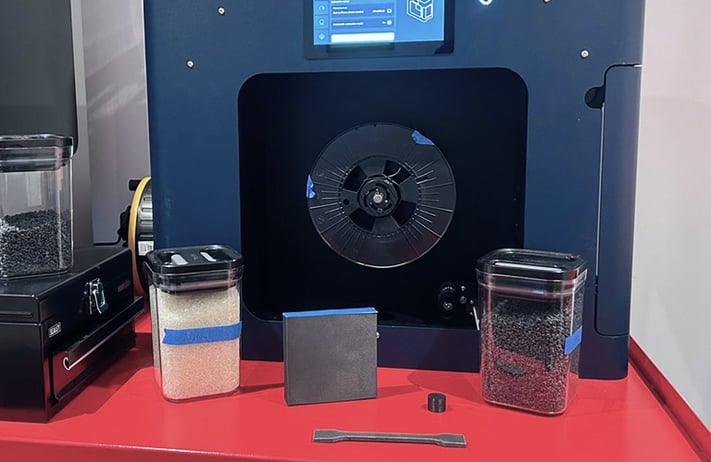
Bringing materials into real-world applications is rarely a straightforward process.
In many cases, validation happens in stages, often separated from the final application. Materials are tested, refined, and passed through different hands before they are ever used in practice.
This works, but also creates distance.
Distance between:
- material and process
- process and application
- and ultimately, between assumptions and real behavior
In less demanding contexts, this gap can be manageable. However, in more constrained environments, where performance requirements are stricter and margins for error are smaller, this separation becomes a limitation.
The Need for Greater Control
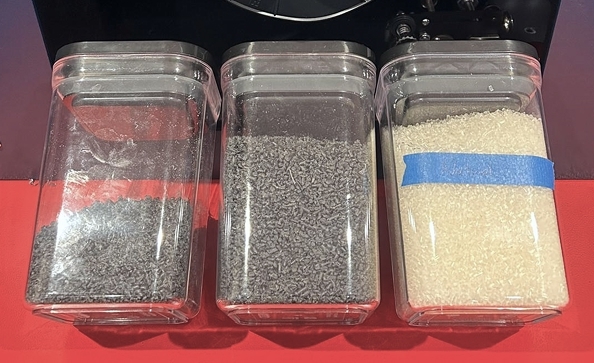
When working with new material formulations, teams often depend on external suppliers to process materials into usable formats such as filament.
This introduces delays, limits iteration, and reduces visibility into how materials behave during processing.
As a result, learning cycles become slower, and decisions are made with less direct insight.
For teams working on complex applications, this can be a bottleneck.
Connecting the Workflow
A different approach is to bring key parts of the workflow closer together.
Instead of separating material preparation, processing, and application testing, these steps can be connected within a controlled environment.
This allows teams to:
- iterate faster
- adjust parameters in real time
- observe material behavior during processing
- validate ideas earlier in the development cycle
The goal is to improve how materials are explored, tested, and understood before reaching that stage, rather than replacing established production methods.
From Concept to Application
This is where integrated workflows become valuable.
By connecting material processing with application testing, teams can move more directly from concept to tangible results.
Instead of working in isolation, materials are evaluated in context.
Instead of relying on assumptions, decisions are supported by direct observation.
A Practical Example
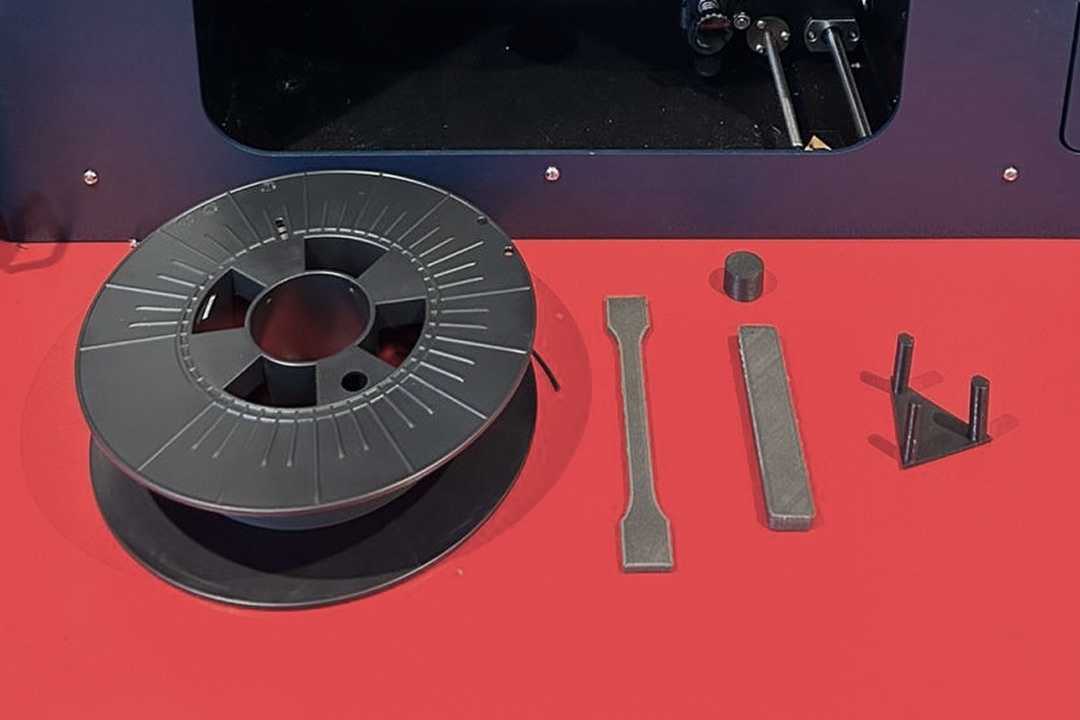
In a recent project with Monolith Performance, this approach was applied to the development of composite materials for radiation shielding.
By bringing filament production in-house, the team was able to:
- test different material formulations
- iterate quickly
- maintain control over processing
- and evaluate results at the application level
This resulted in faster validation cycles, improved process control, and measurable performance improvements.
More importantly, it enabled a closer connection between material behavior and real-world application.
What This Means Going Forward
As materials become more advanced and applications more demanding, the way they are validated will continue to evolve.
Workflows that bring materials, processing, and application closer together can reduce uncertainty, accelerate learning, and support better decisions earlier in the process.
This applies across industries where materials need to perform under constraints and where understanding behaviour in context is critical.
You can explore the full Monolith case study here.