/3devo%20Logo%20Borderless%20-%20Dark%20Mode.png?width=200&height=64&name=3devo%20Logo%20Borderless%20-%20Dark%20Mode.png "3devo Logo Borderless - Dark Mode")
.png?width=150&height=48&name=3devo%20-%20Blue%20and%20Dark%20logo%20(1).png "3devo - Blue and Dark logo (1)")

Circular Manufacturing Through In-House Plastic Recycling
Context
Audi is a global automotive manufacturer continuously working to improve sustainability across its production processes. As part of its environmental initiative, the company explored new ways to reduce plastic waste generated during manufacturing.
Rather than treating plastic packaging as waste, Audi investigated how these materials could be repurposed and reintroduced into internal workflows.
This initiative aligned with Audi’s broader Mission: Zero program, which aims to reduce environmental impact and move toward more sustainable manufacturing practices.
The Challenge
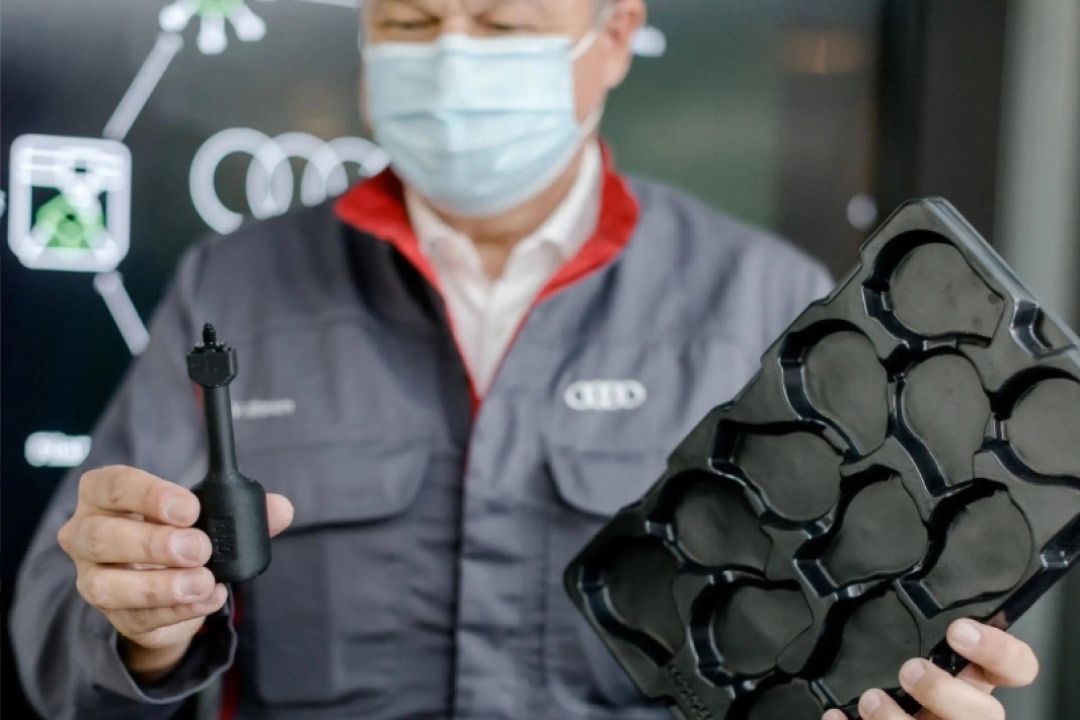
As part of its sustainability initiatives, Audi explored ways to recycle plastic waste generated during automotive manufacturing. The goal was to create a viable recycling workflow that could repurpose production plastics without compromising the quality and reliability required in automotive environments.
Achieving this required a process that could convert mixed plastic waste into usable material while remaining economically and operationally feasible.
The Approach
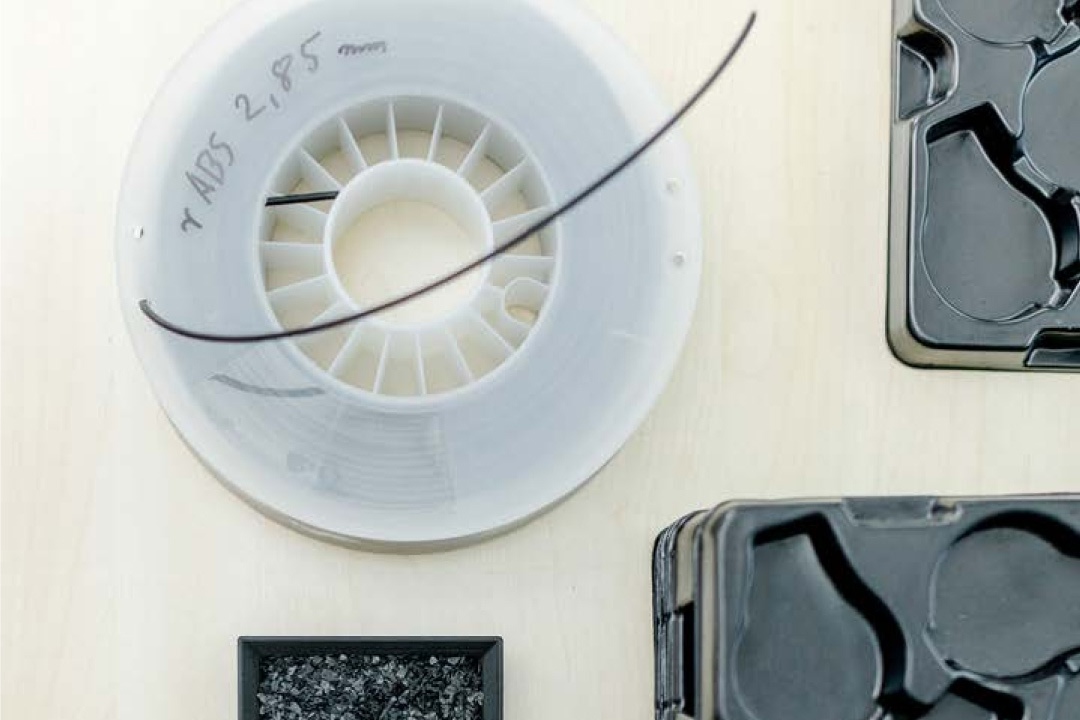
Audi implemented an in-house workflow designed to convert plastic packaging waste into usable material for additive manufacturing.
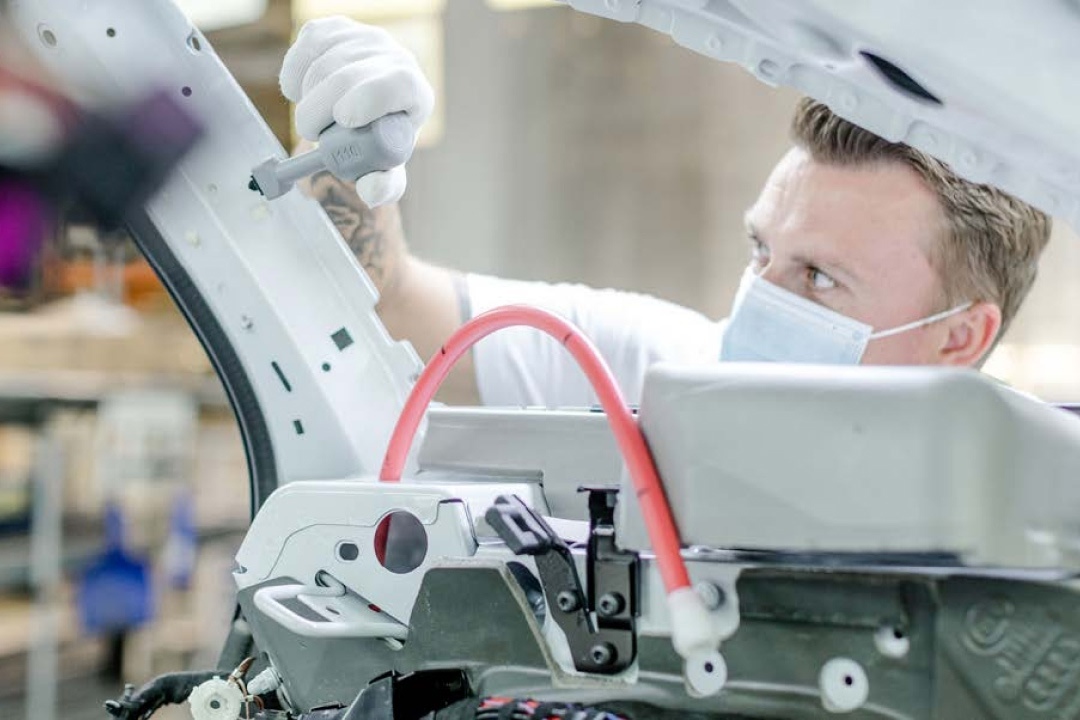
By processing excess plastics and converting them into filament for 3D printing, the team could prototype and produce tools used directly within their production environment.
This approach enabled Audi to explore circular material workflows while testing how recycled plastics could be integrated into internal manufacturing processes.