/3devo%20Logo%20Borderless%20-%20Dark%20Mode.png?width=200&height=64&name=3devo%20Logo%20Borderless%20-%20Dark%20Mode.png "3devo Logo Borderless - Dark Mode")
.png?width=150&height=48&name=3devo%20-%20Blue%20and%20Dark%20logo%20(1).png "3devo - Blue and Dark logo (1)")

Developing Phase-Change Composite Materials for Heat Regulation
Context
Embry-Riddle Aeronautical University is a leading institution specializing in aerospace research and engineering. Within its advanced materials research programs, scientists explore new approaches to thermal management for aerospace and electronic applications.
Effective heat regulation is critical in many engineering systems. Traditional heat sinks rely on metals, which can add weight and limit design flexibility. Researchers therefore investigated how additive manufacturing and advanced composite materials could offer new solutions for thermal management.
The Challenge
Developing effective heat-regulation materials requires combining phase-change materials (PCM) with printable polymers. These composites can absorb and release heat, helping regulate temperature in electronic and aerospace systems.
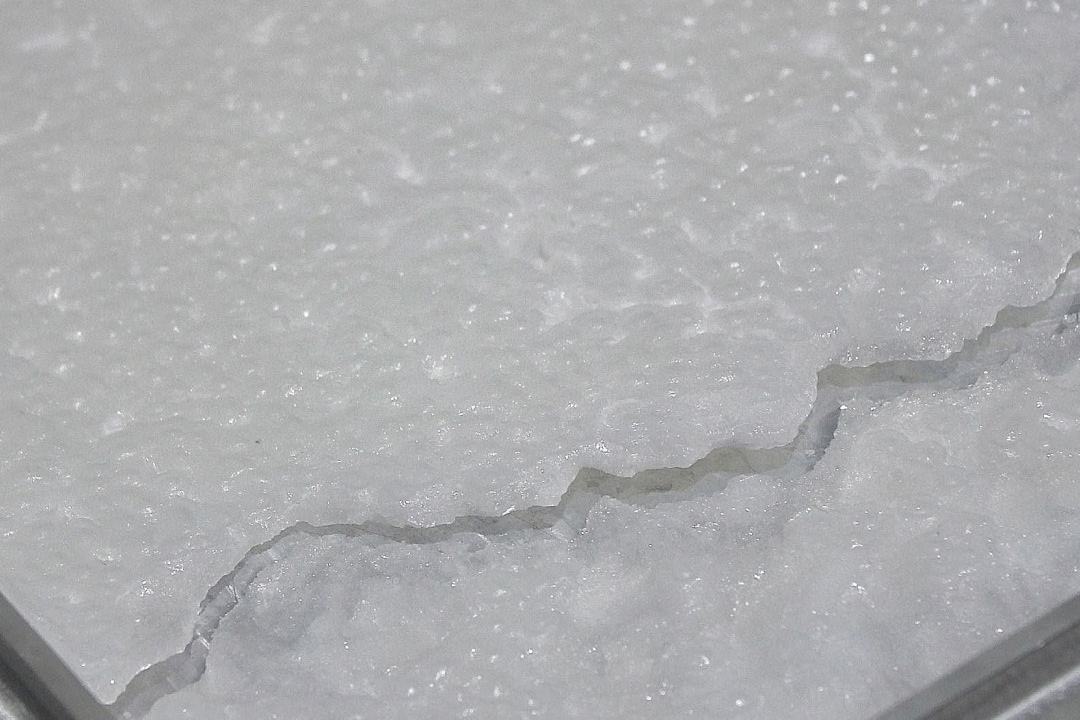
However, incorporating high concentrations of PCM into polymer materials can be difficult. Previous extrusion approaches limited the amount of PCM that could be added, restricting the effectiveness of the resulting material.
The research team needed a way to experiment with higher PCM concentrations while maintaining filament quality suitable for 3D printing.
The Approach
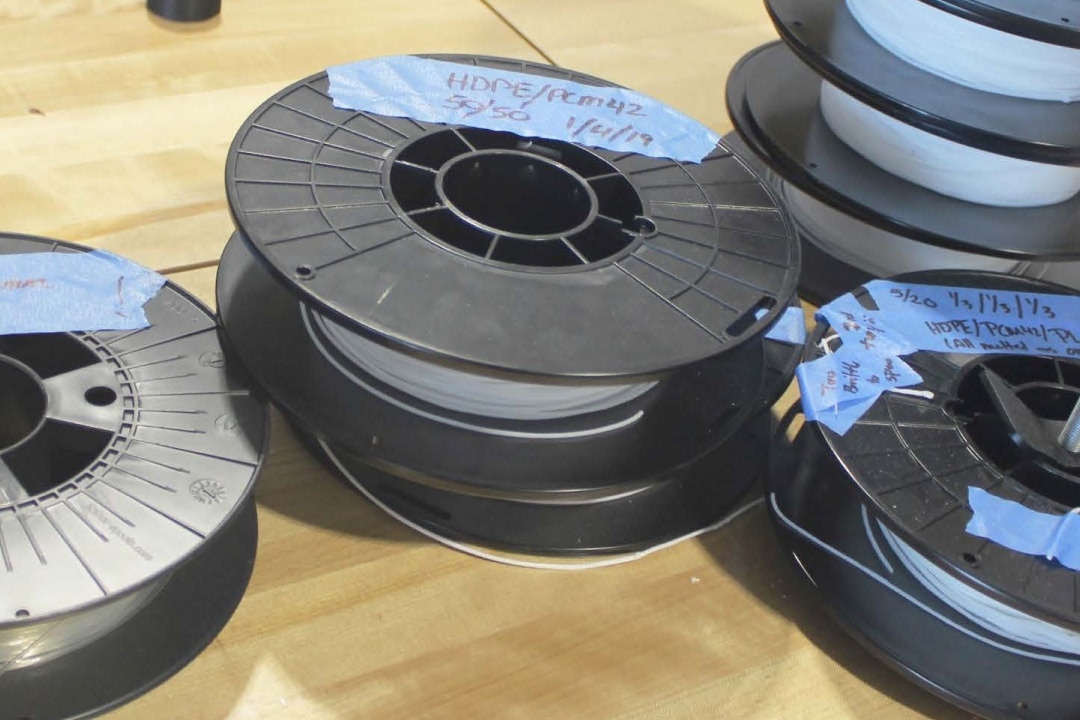
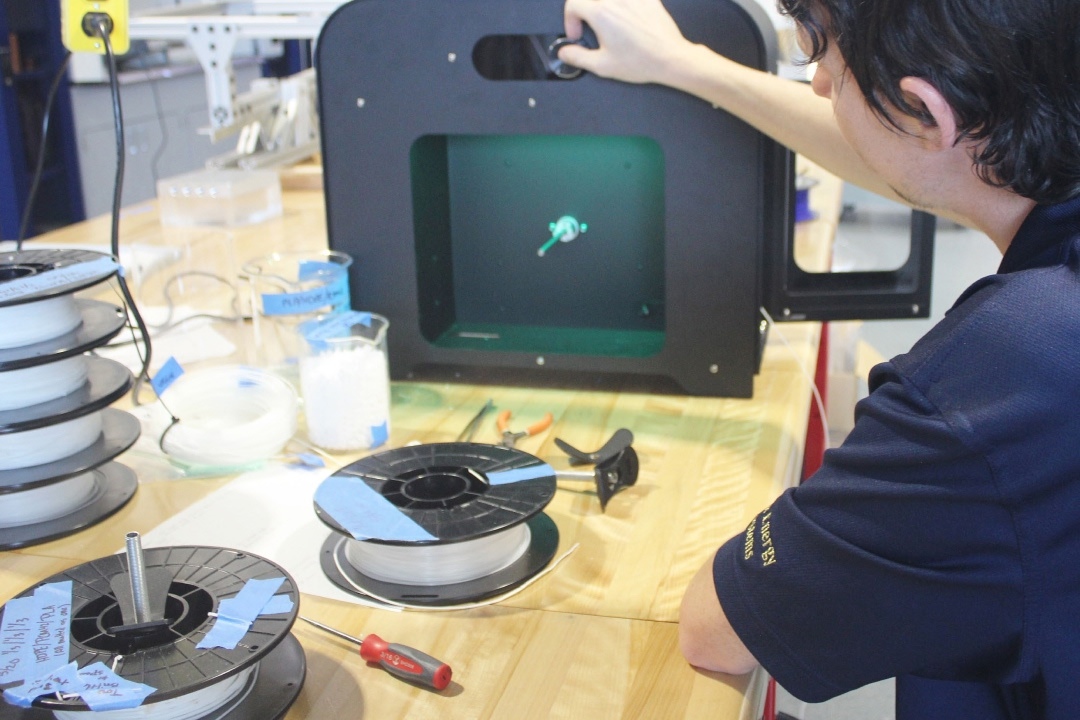
To explore new composite materials for thermal management, researchers implemented an in-house workflow that allows polymers and phase-change materials to be combined and processed into filament for additive manufacturing.
By producing filament internally, the team could experiment with different composite formulations and evaluate how these materials perform when used to print heat-sink geometries.
This workflow enabled researchers to test new material combinations and rapidly prototype designs aimed at improving heat regulation.