/3devo%20Logo%20Borderless%20-%20Dark%20Mode.png?width=200&height=64&name=3devo%20Logo%20Borderless%20-%20Dark%20Mode.png "3devo Logo Borderless - Dark Mode")
.png?width=150&height=48&name=3devo%20-%20Blue%20and%20Dark%20logo%20(1).png "3devo - Blue and Dark logo (1)")

Teaching Circular Manufacturing Through PLA Recycling
Context
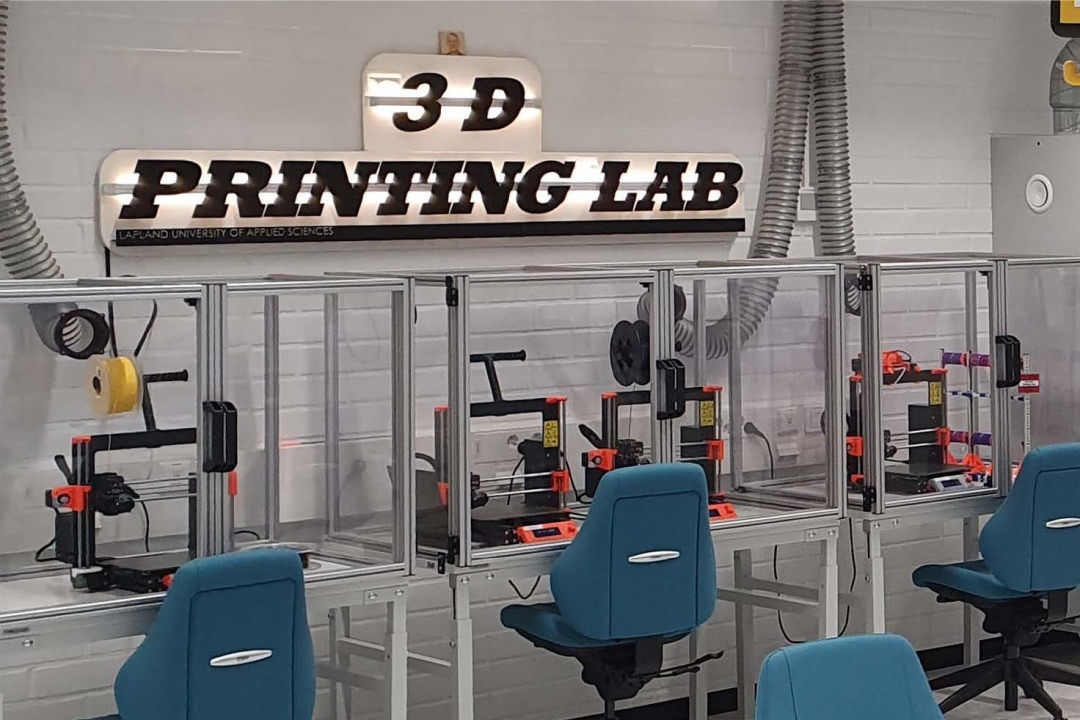
Lapland University of Applied Sciences (Lapland UAS) in Finland integrates additive manufacturing into its engineering education and research programs. The university’s 3D-printing laboratory supports student projects and technical experimentation. 
As the use of 3D printing increased, the lab began generating significant quantities of PLA waste from prototypes and failed prints. Sustainability is a core value of the university, motivating the team to explore ways to reuse this material rather than discard it.
- Ari Pikkarainen, Principal Lecturer, Mechanical Engineering
The Challenge
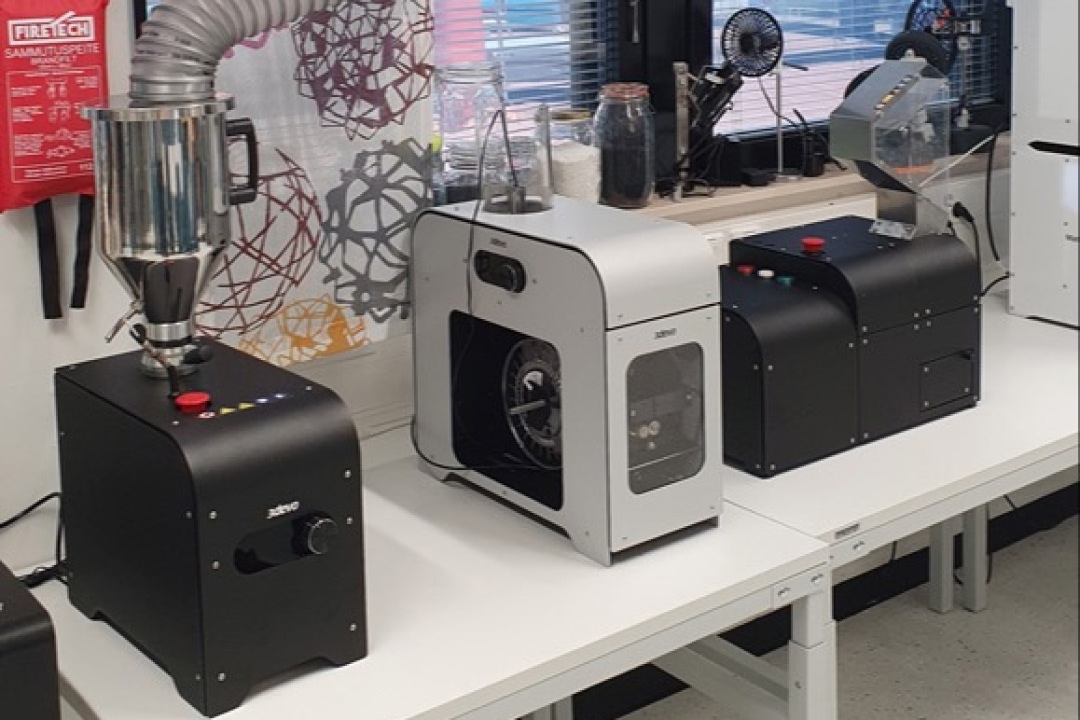
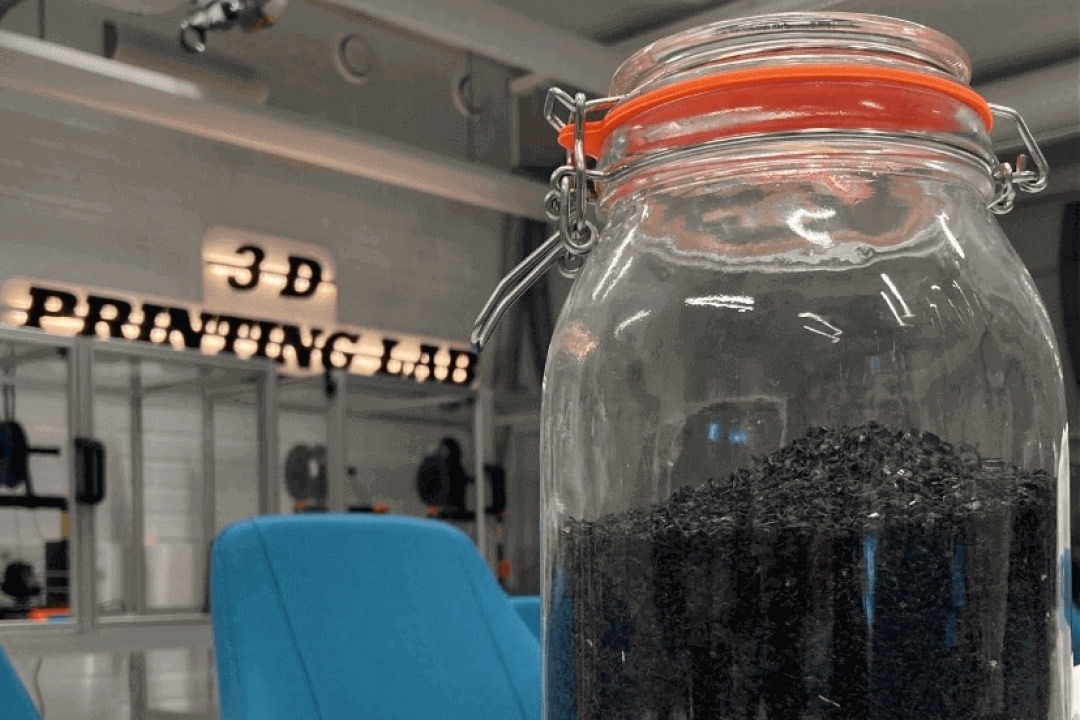
Lapland UAS implemented an in-house recycling workflow that allows PLA waste from failed prints and prototypes to be converted into new filament.
By processing discarded prints and re-extruding the material into filament, students can reuse previously wasted material for future projects.
This approach introduces students to circular manufacturing concepts while enabling continued experimentation in the university’s additive manufacturing lab.
The Approach
3D printing is widely used in the university’s engineering courses and research projects. However, the large amount of PLA waste generated from failed prints and prototypes created both a cost and sustainability challenge.
The department needed a practical solution that would allow students to continue experimenting freely while reducing material waste and supporting the university’s sustainability goals.