/3devo%20Logo%20Borderless%20-%20Dark%20Mode.png?width=200&height=64&name=3devo%20Logo%20Borderless%20-%20Dark%20Mode.png "3devo Logo Borderless - Dark Mode")
.png?width=150&height=48&name=3devo%20-%20Blue%20and%20Dark%20logo%20(1).png "3devo - Blue and Dark logo (1)")

Teaching Circular Manufacturing Through 3D Printing
Context
Spokane High School integrates additive manufacturing into its STEM curriculum to give students practical experience with modern manufacturing technologies.
Through hands-on projects, students learn about design, materials, and engineering principles using 3D printing.
As the program grew, the school explored ways to expand student experimentation while managing material consumption and waste generated by failed prints and prototypes.
The Challenge
As the school expanded its additive manufacturing program, students increasingly relied on 3D printing for design and engineering projects.
However, failed prints, prototypes, and design iterations generated significant amounts of plastic waste. At the same time, filament costs limited the number of projects students could realistically complete.
The program needed a workflow that would allow students to reuse material while supporting a growing number of hands-on learning activities.
The Approach
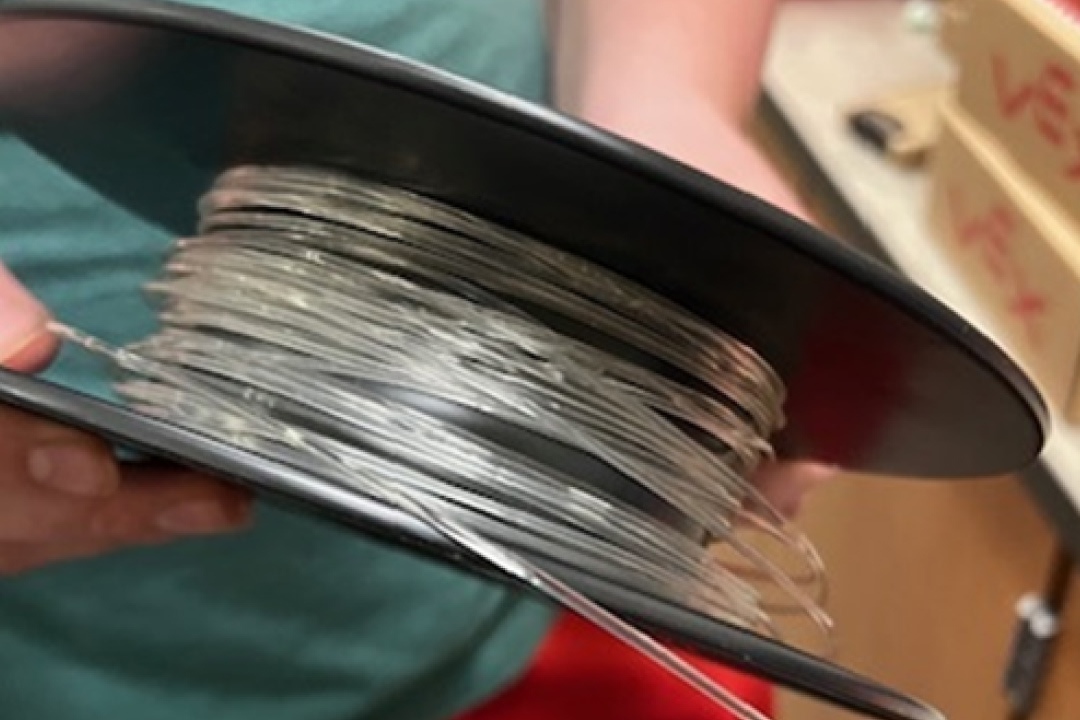
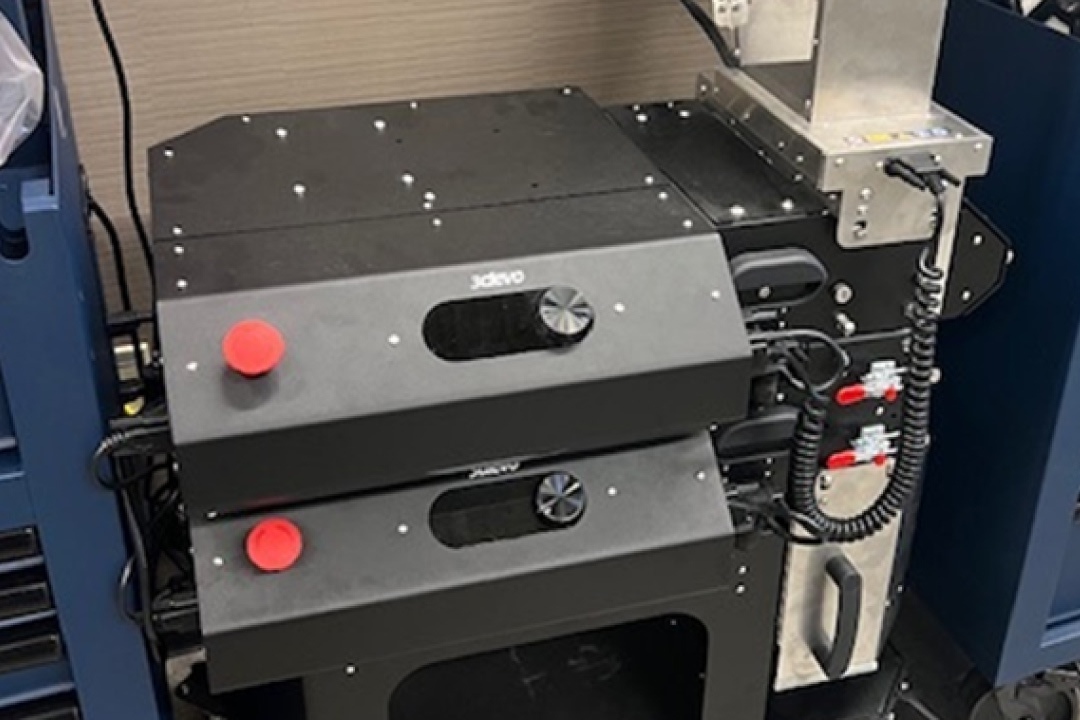
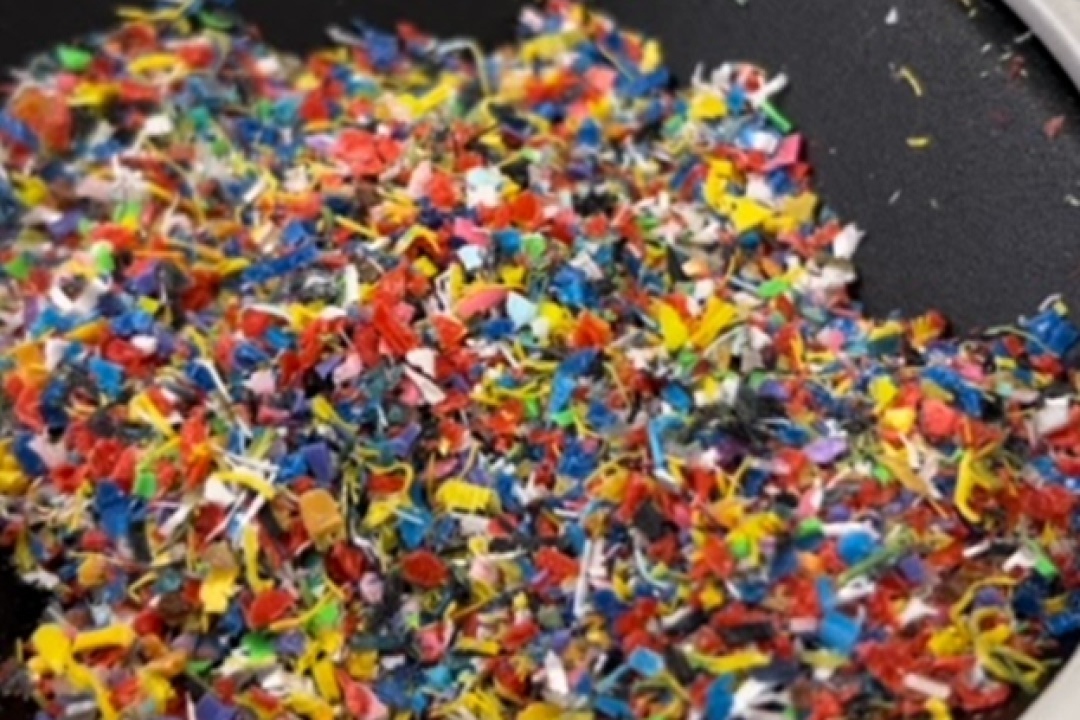
To support hands-on learning and reduce material waste, the school implemented a recycling workflow that allows students to convert failed 3D prints into new filament.
By processing leftover prints and prototypes into filament for 3D printing, students can reuse material for future projects.
This workflow introduces students to material recycling concepts while enabling continuous experimentation and learning.