/3devo%20Logo%20Borderless%20-%20Dark%20Mode.png?width=200&height=64&name=3devo%20Logo%20Borderless%20-%20Dark%20Mode.png "3devo Logo Borderless - Dark Mode")
.png?width=150&height=48&name=3devo%20-%20Blue%20and%20Dark%20logo%20(1).png "3devo - Blue and Dark logo (1)")

From Recycled HIPS Waste to Sustainable Consumer Products
Context
The Rogerie is a sustainable home-goods company based in Canada that designs products using recycled plastics.
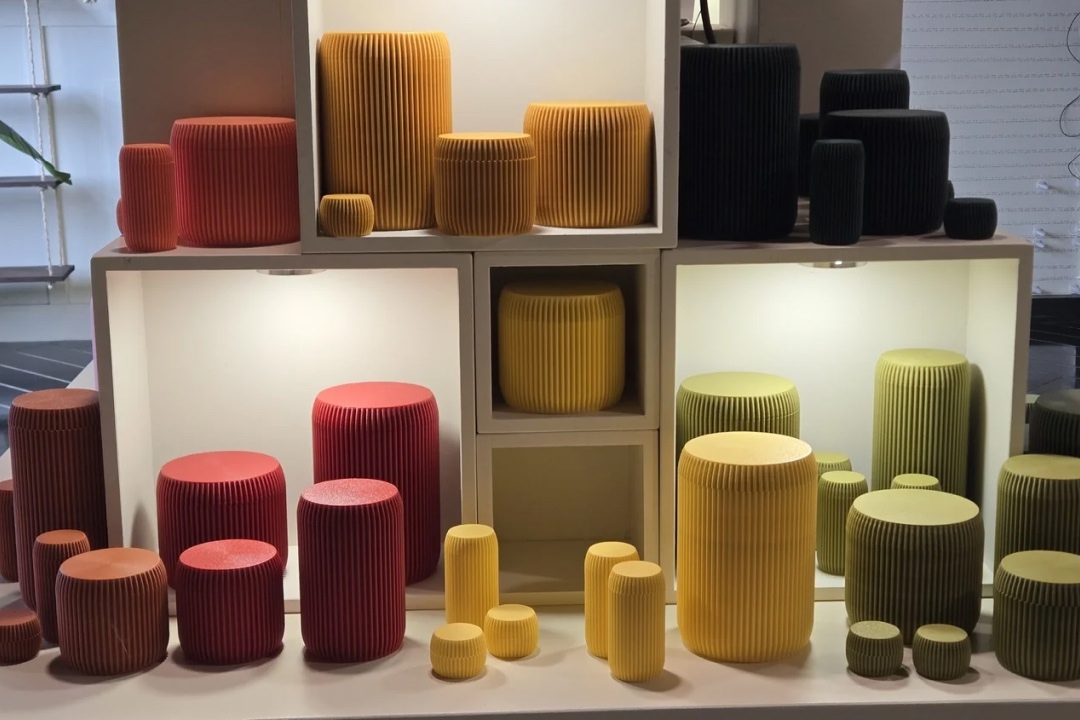
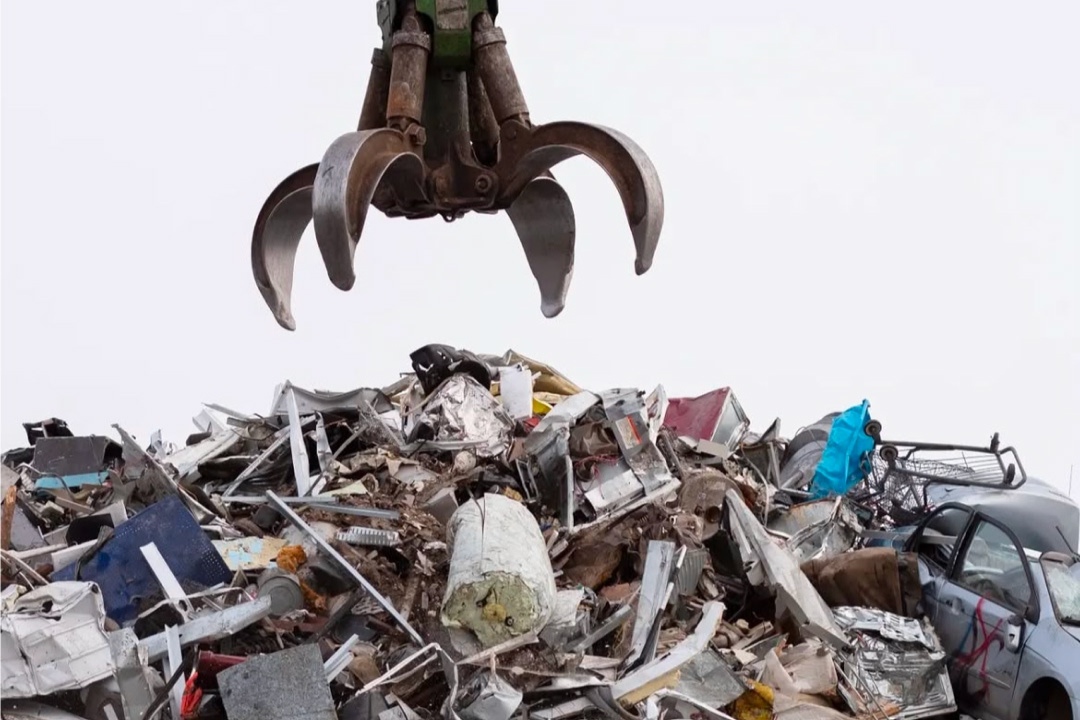
One of their flagship products, the Gretchen planter, is manufactured from recycled high-impact polystyrene (rHIPS) sourced from discarded appliances and manufacturing waste.
To support their sustainability goals, the company explored ways to transform local plastic waste into filament suitable for additive manufacturing.
The Challenge
Producing consumer products from recycled plastics presents several technical challenges.
Recycled HIPS can vary in composition and quality depending on its source, making it difficult to process consistently.
At the same time, the company needed to produce custom-colored filament in small batches while ensuring that failed prints and production waste could be reused rather than discarded.
Creating a reliable workflow that could convert recycled plastic into consistent filament was essential for building a sustainable production process.
The Approach
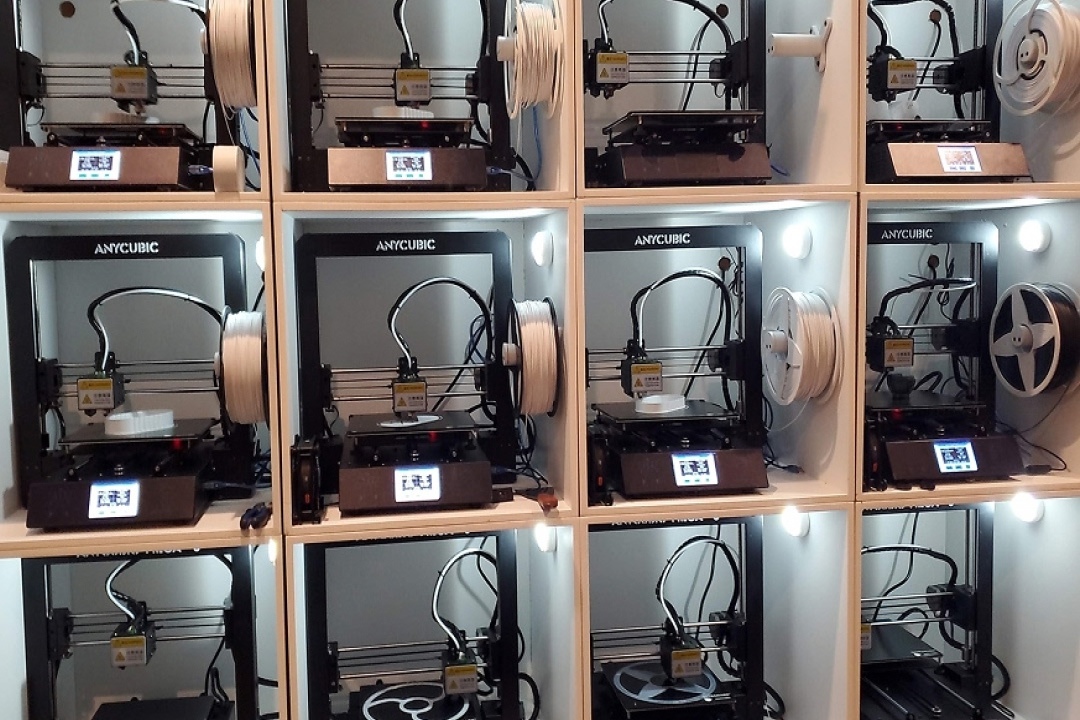
To address this challenge, The Rogerie implemented a circular manufacturing workflow that converts recycled HIPS waste into filament for additive manufacturing.
By processing shredded plastic waste and extruding it into filament, the company can produce the material required for its 3D-printed products internally.
This approach enables the team to create custom filament batches while maintaining control over material sourcing and sustainability.